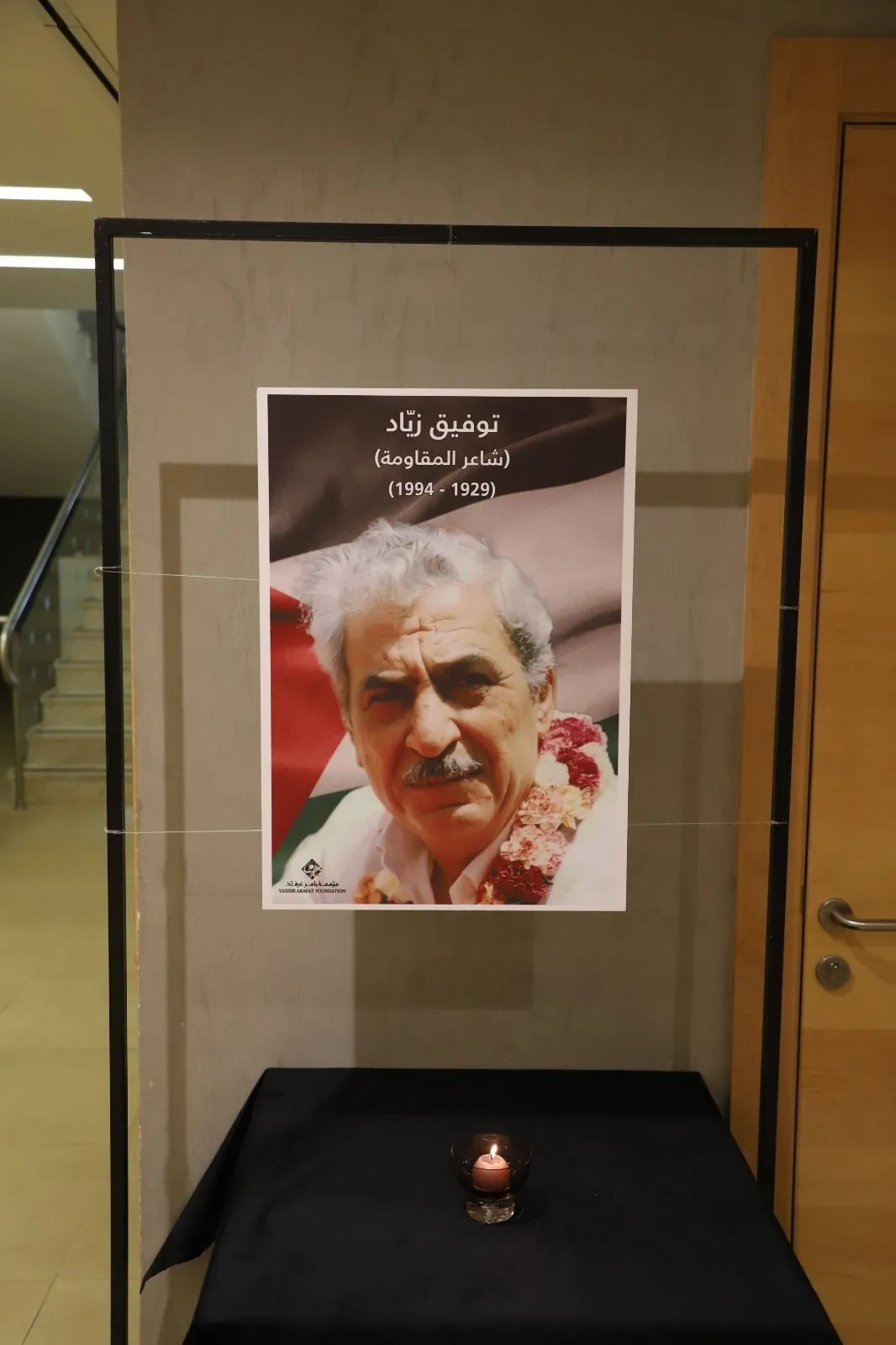
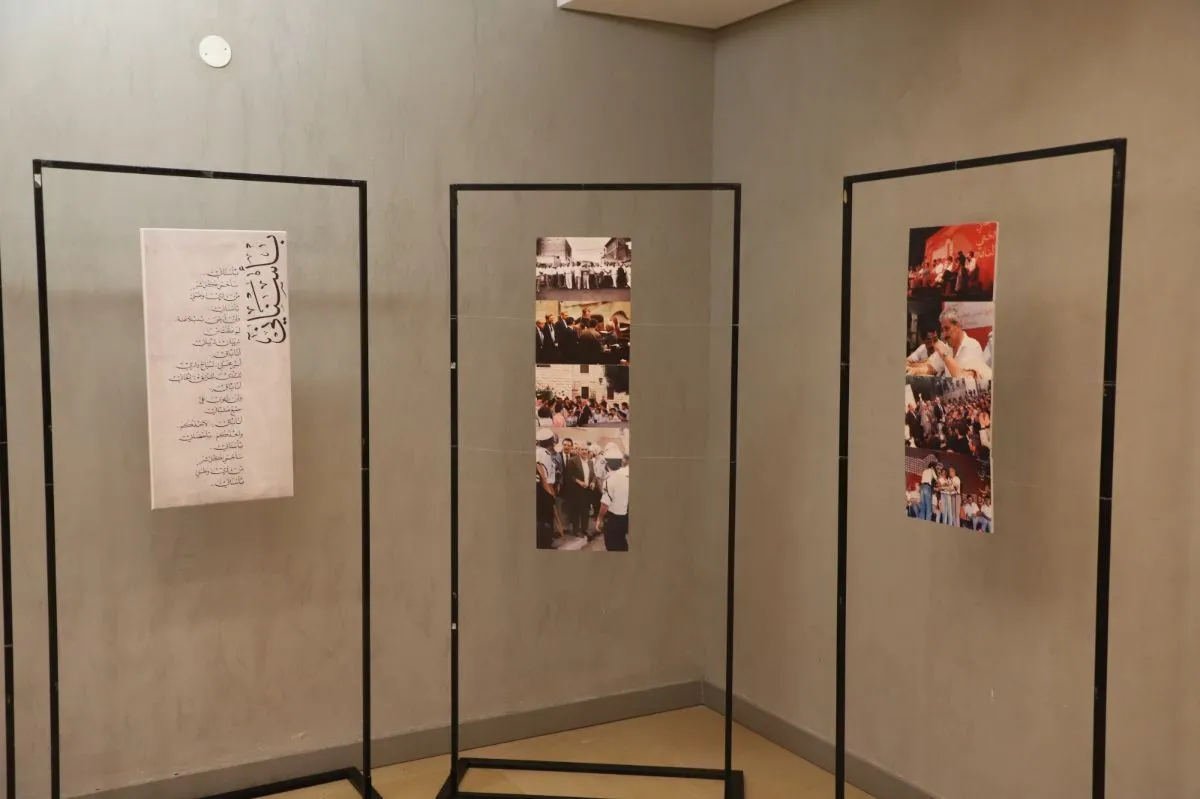
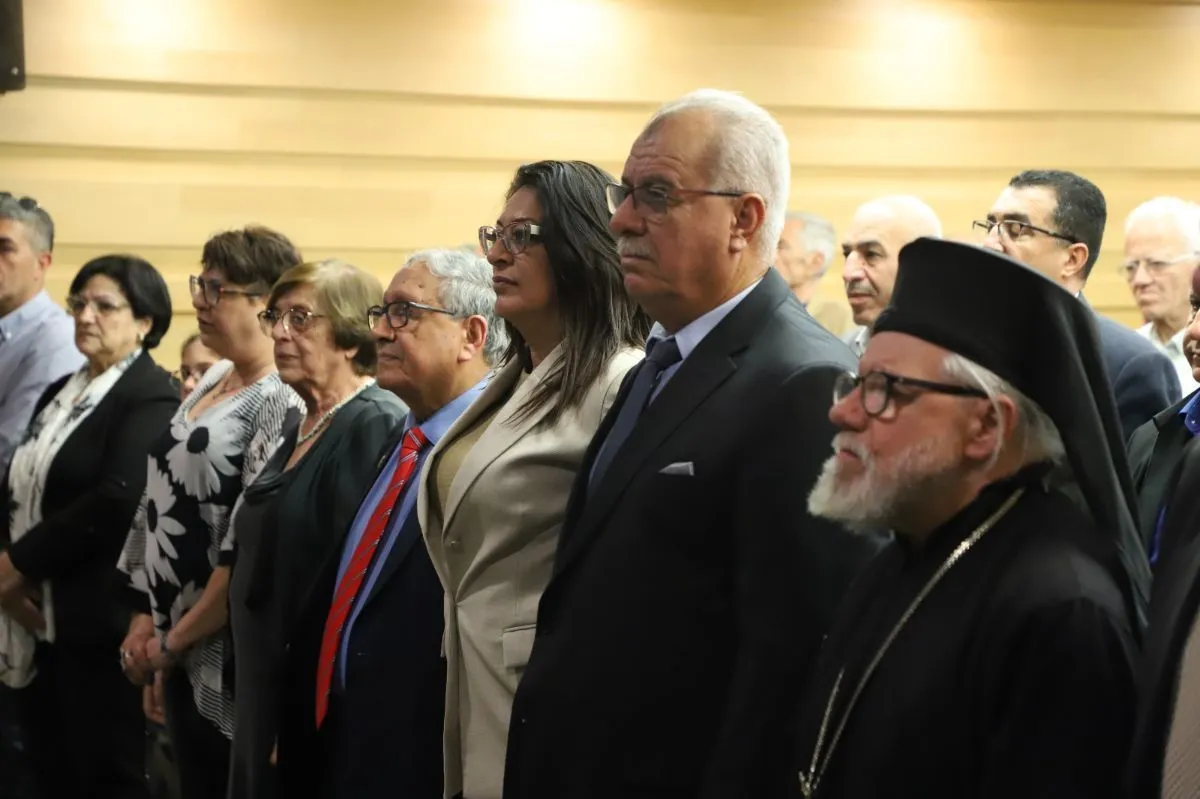
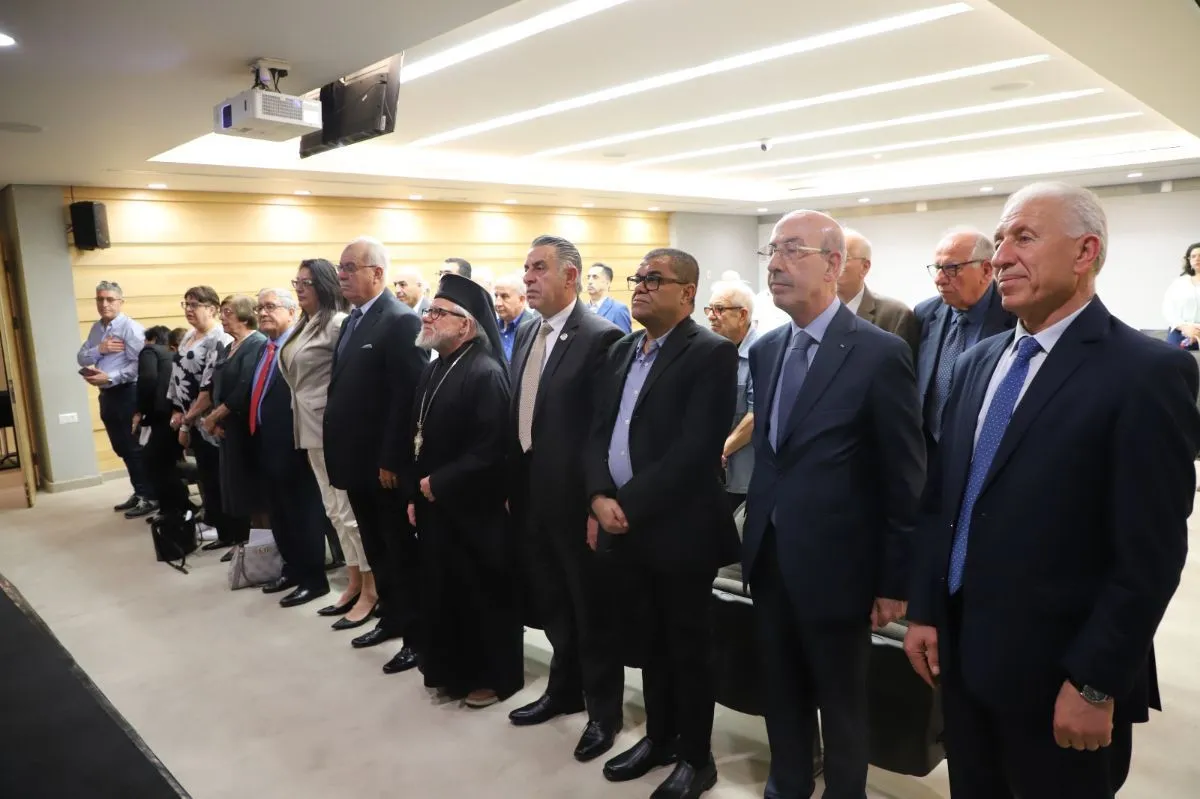
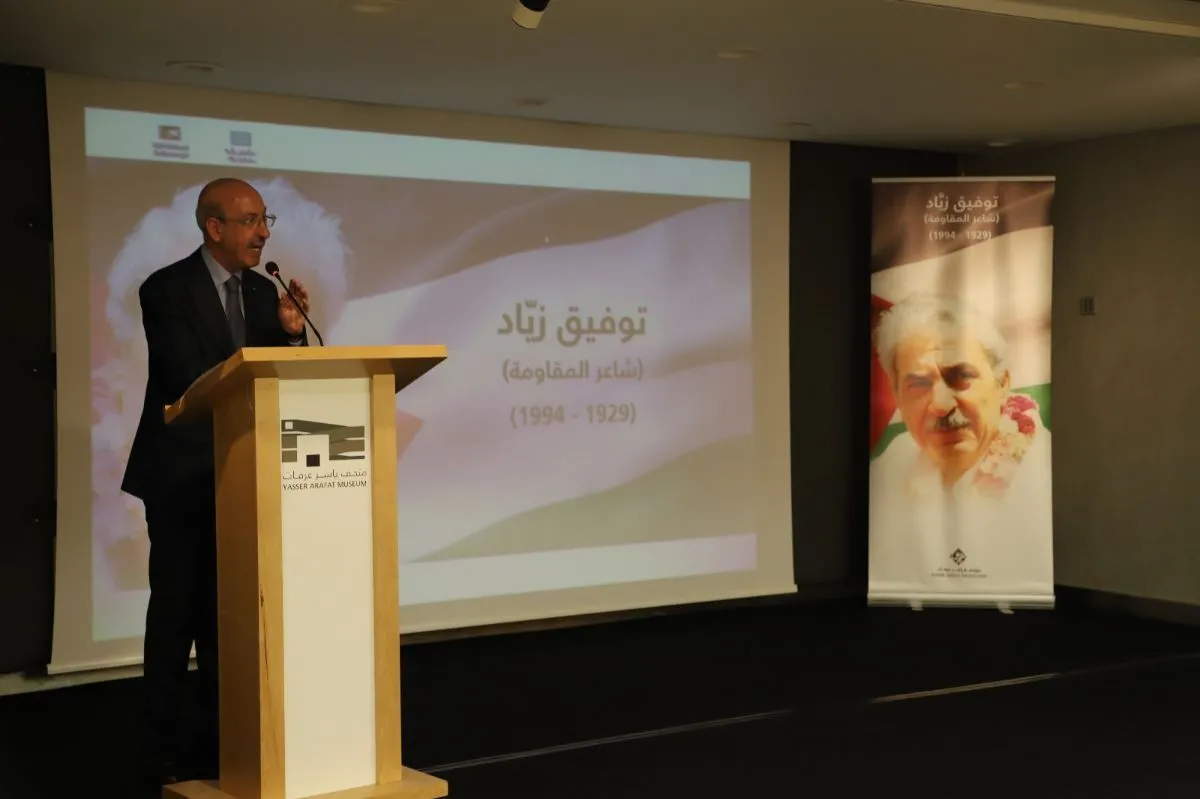
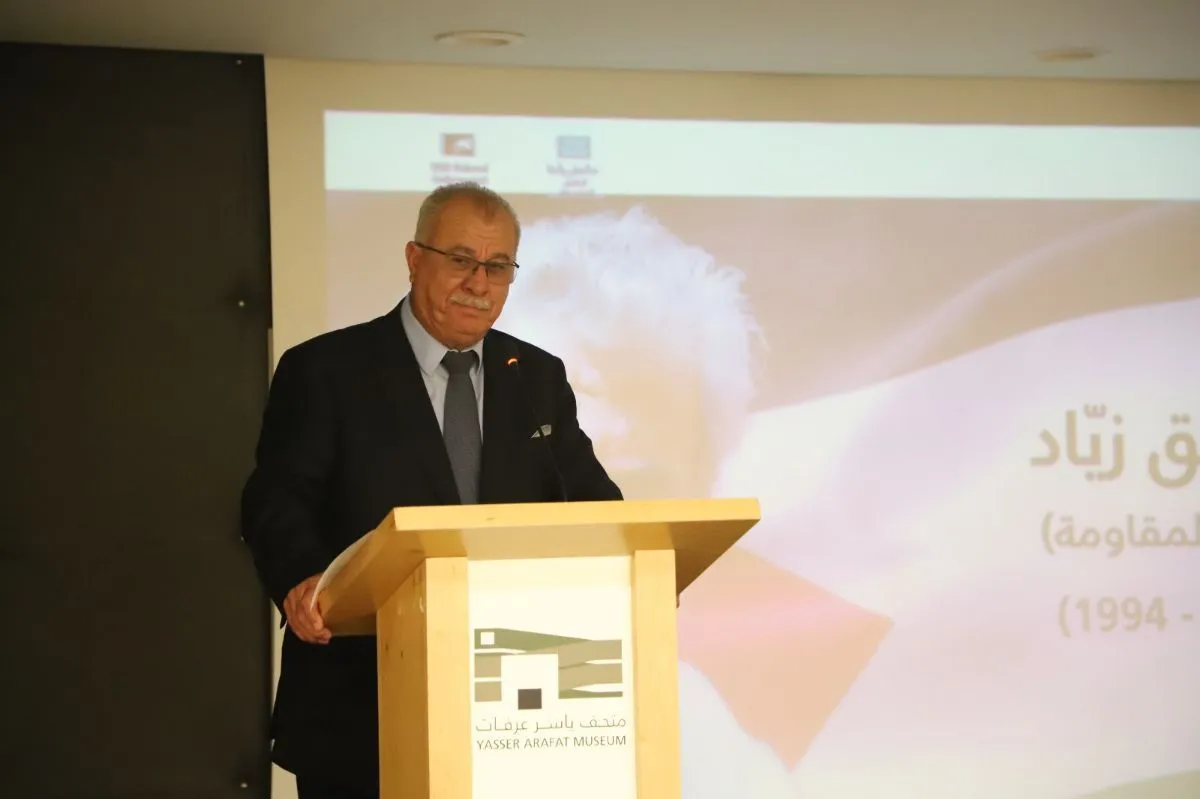
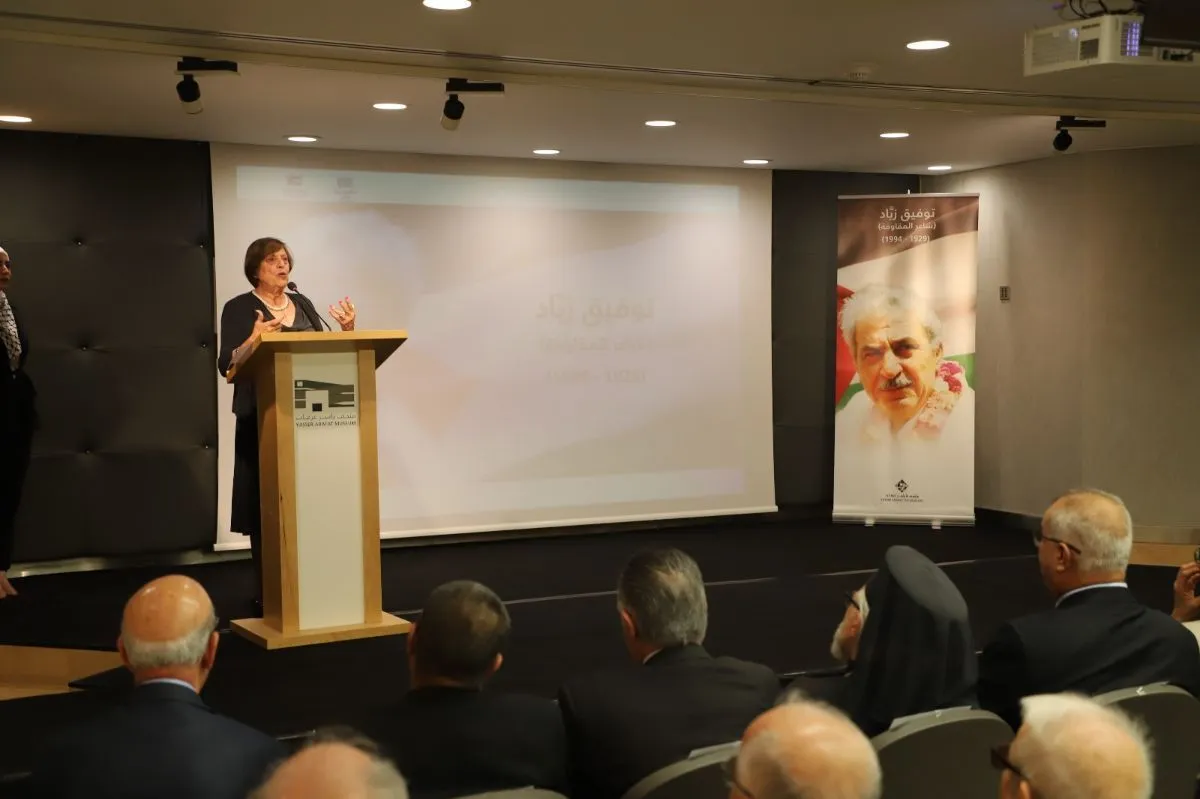
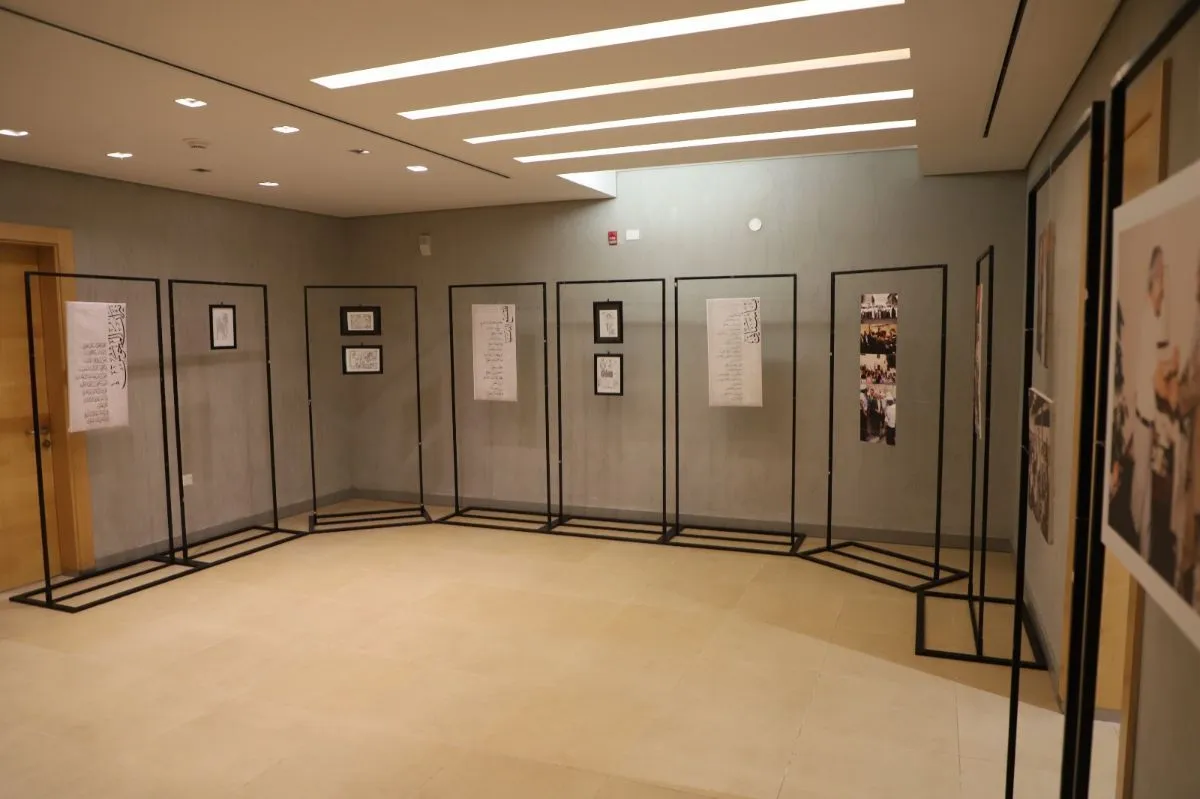
Yasser Arafat Foundation commemorated the birth anniversary of renowned Palestinian poet and political leader Tawfiq Ziad on Sunday, May 10, 2026, during an event held at Al-Muntada hall of the Yasser Arafat Museum.
The ceremony opened with the Palestinian national anthem, followed by a moment of silence in honor of Palestinian martyrs and the late “Poet of Resistance.” The event drew senior Palestinian officials, diplomats, writers, journalists, activists, and public figures.
In remarks delivered on behalf of the foundation, Chairman Dr. Ahmad Soboh described Ziad as one of the central figures in preserving and strengthening the Palestinian national narrative. He praised the poet’s enduring legacy as both a literary and political leader, recalling his influential poem “Unadikum” (“I Call Out to You”), which became a symbol of Palestinian resistance and steadfastness.
Soboh highlighted Ziad’s political career, noting that he became a member of the Nazareth municipal council at the age of 25 before serving as mayor of Nazareth in 1975. He also emphasized Ziad’s leading role in organizing and mobilizing Palestinians during Land Day on March 30, 1976, describing him as a driving force behind one of the most defining moments in Palestinian collective resistance inside Israel.
Soboh further noted that late Palestinian leader Yasser Arafat honored Ziad with a medal in Cairo in 1990. Ziad later met Arafat in both Gaza and Jericho following Arafat’s return to Palestinian territories. He died in a car accident on July 5, 1994, on the Jericho–Jerusalem road shortly after meeting Arafat in Jericho.
Speaking at the event, Mohammad Barakeh, former head of the High Follow-Up Committee for Arab Citizens in Israel, said Ziad represented the steadfastness of Palestinians who remained in their homeland after 1948. He described him as both a mobilizing national voice and one of the most influential political leaders among Palestinians inside "Israel".
Barakeh also stressed that Ziad worked tirelessly to strengthen ties between Palestinians in the occupied territories and those inside Israel, while encouraging greater participation by youth and women in public and political life.
In emotional remarks, Ziad’s wife, Naela Ziad, reflected on the hardships he endured, including repeated arrests, political persecution, and an assassination attempt linked to his activism around Land Day. She said his commitment to Palestinian unity and resistance “will remain alive in the struggles of future generations.”
The event concluded with tributes to Ziad’s literary, political, and national legacy, celebrating his role as a leading figure in Palestinian resistance, culture, and public life.